-01%201.svg)

Key takeaways
- Enhanced accuracy through automation significantly reduces human errors in financial data.
- Real-time insights empower agile decision-making in today’s competitive market.
- Time savings by automating repetitive bookkeeping tasks allows accountants to focus on strategy.
- Scalable solutions ensure that even small businesses can access enterprise-level accounting tools.
- Advanced analytics transform traditional accounting into forward-thinking financial management.
The Evolution of Modern Accounting Technology
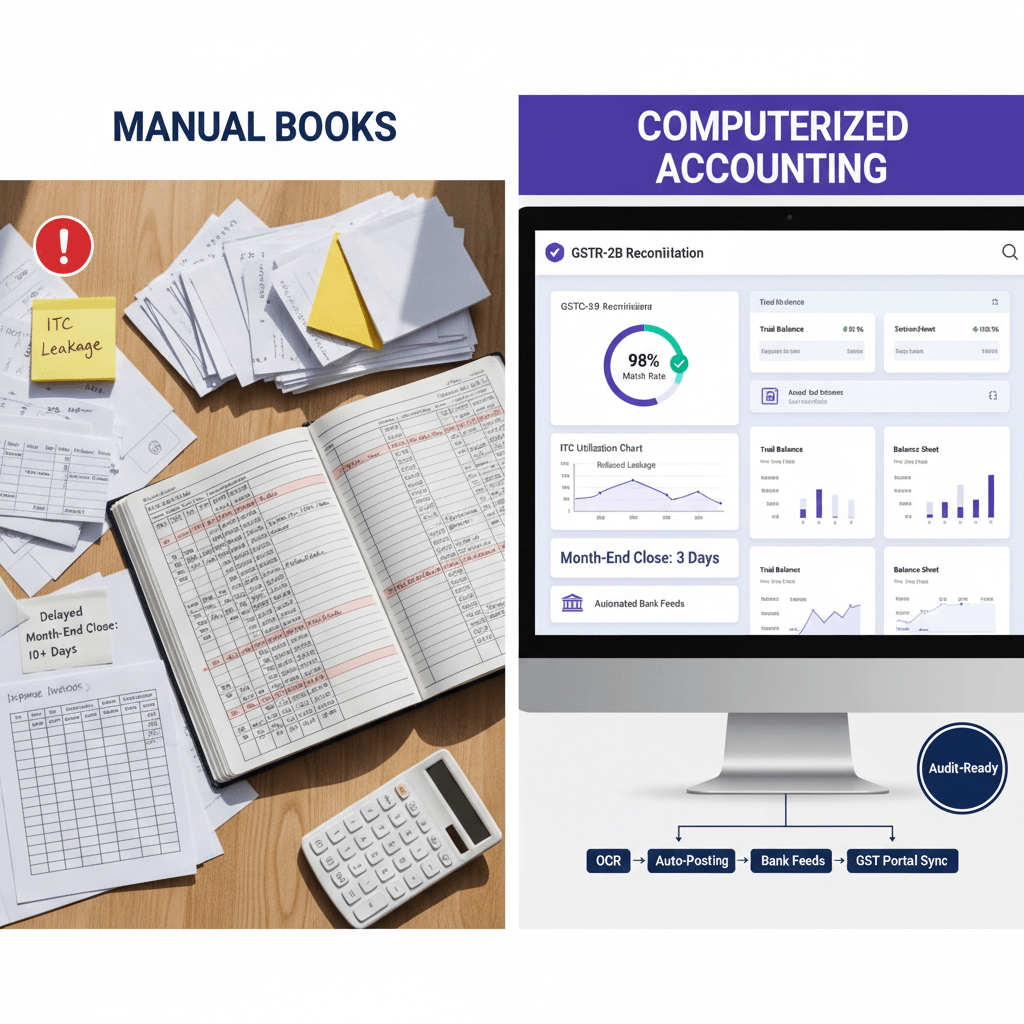
Traditional accounting has long depended on manual data entry, spreadsheet management and time-consuming reconciliation processes.
These methods often create bottlenecks that delay reporting and limit analytical capabilities. Modern businesses now turn to
automated systems for efficiency and precision. Today’s revolution is powered by AI predictions in accounting,
ensuring advanced accuracy and faster decision-making, a transformation seen across industries.
Enhanced Accuracy Through AI Automation
Eliminating Human Error in Financial Data
One of the most compelling benefits of AI in accounting is the dramatic improvement in data accuracy. Traditional manual bookkeeping is susceptible to human error,
while AI systems use built-in validation checks and automated data processing. These automated solutions are exemplified by platforms like AI reconciliation improvements that swiftly detect anomalies.
Real-Time Validation and Error Prevention
Advanced AI systems implement validation rules that instantly identify inconsistencies, unusual values and potential errors. For example, while processing invoices,
these systems verify that amounts match purchase orders and that tax calculations are correct. Explore more about the transformation via benefits of AI in accounting.
Real-Time Financial Insights and Predictive Analytics
Advanced Financial Reporting Capabilities
AI’s predictive analysis capabilities allow businesses to access up-to-date financial data and insights in real time.
This enables managers to react swiftly to changing market conditions and unexpected developments without waiting for month-end reports.
Strategic Planning Through Data Analytics
By transforming raw financial data into actionable intelligence, AI systems help identify spending patterns, predict cash flow trends and highlight opportunities for optimizing costs.
Such predictive analytics transform traditional accounting into a strategic tool, bridging historical data with future planning.
For additional insights, check out how AI will impact the tax profession and industry critiques on AI tools.
Time Savings and Productivity Improvements
Automating Repetitive Accounting Tasks
AI streamlines efficiency by automating activities such as data entry, invoice processing, bank reconciliations and payroll management.
This automation allows professionals to focus on strategic planning and advisory services. Platforms like AI-powered accounts payable automation demonstrate significant time reductions.
Streamlined Workflow Management
With AI, transactions from various sources are automatically imported, categorized and flagged for exceptions when necessary.
This streamlined workflow not only reduces manual workload but also ensures consistent and high-quality data processing across financial operations.
Why Small Business Accounting Automation Matters
Scalable Solutions for Growing Businesses
AI-powered systems are built to scale effortlessly as transaction volumes increase, making them ideal for growing businesses.
For small businesses that often operate with limited resources, solutions like scalable AI accounting tools empower companies to maintain professional financial management without significant increases in staffing.
Cost-Effective Financial Management
Although initial setup may involve costs, automated bookkeeping significantly reduces ongoing labor expenses.
By minimizing manual errors and streamlining processes, platforms deliver long-term savings and democratize access to enterprise-level accounting capabilities.
Streamlining Core Bookkeeping Operations
Transaction Processing and Categorization
AI transforms tedious bookkeeping tasks such as receipt capture, financial statement preparation and transaction categorization.
Technologies like optical character recognition (OCR) enable rapid data extraction from financial documents, virtually eliminating manual entry.
Learn more about innovations in transaction processing.
Bank Reconciliation and Cash Management
Automated bank reconciliation compares bank statements with internal records, identifying discrepancies and suggesting corrective actions.
This not only speeds up a once-lengthy process but also enables improved cash flow monitoring and management.
For more details, visit AI-enhanced bank reconciliation.
Comprehensive Comparison: AI vs Manual Accounting Methods
The differences are stark:
Accuracy and Error Reduction: Manual methods are prone to mistakes, while AI systems maintain consistently high precision.
Processing Speed and Efficiency: Tasks that once took days are now completed in minutes with automation.
Cost Structure and Resource Allocation: While traditional methods require continuing labor costs, AI investments yield lower ongoing expenses.
Scalability and Analytical Capabilities: Unlike manual practices, AI seamlessly scales with business growth and offers predictive insights.
Regulatory Compliance: Automated systems apply current regulations, reducing risks and easing audit preparations.
Advanced Data Entry Error Reduction
Intelligent Validation Systems
Sophisticated AI systems use pattern recognition and historical data analysis to catch anomalies early. By comparing new transactions against established benchmarks,
these systems provide an intelligent layer of error detection.
Continuous Learning and Improvement
Unlike static manual processes, AI continuously evolves. With every transaction processed, machine learning algorithms refine their accuracy,
ensuring that the system becomes more proficient over time.
Exception Handling and Quality Control
AI selects which transactions require human review and automates routine entries. This targeted approach allows accountants to focus on complex or unusual cases,
ensuring overall data integrity and high-quality financial reporting.
See more enhancements via AI data quality measures.
Comprehensive Accounting Automation Benefits
Enhanced Regulatory Compliance
Automated systems maintain detailed audit trails and apply accounting standards consistently, easing the compliance burden.
This proactive monitoring minimizes risk and streamlines the audit process.
Advanced Fraud Detection Capabilities
AI-powered monitoring detects irregularities and potential fraud with real-time analysis, offering a level of vigilance that manual oversight cannot achieve.
Continuous analysis helps safeguard financial assets.
Learn more at advanced fraud detection.
Competitive Market Advantage
With immediate access to insightful analytics and faster financial processing, businesses gain a competitive edge.
Rapid decision-making and resource optimization lead to more agile and effective strategic planning.
Future-Proofing Business Operations
Investing in AI accounting technology is not just about immediate benefits. It is a forward-looking strategy that ensures your financial processes remain
updated with emerging technologies, protecting you from obsolescence.
For further context, see the benefits of embracing AI.
Top AI Accounting Tools and Solutions
Several robust AI platforms are revolutionizing financial management:
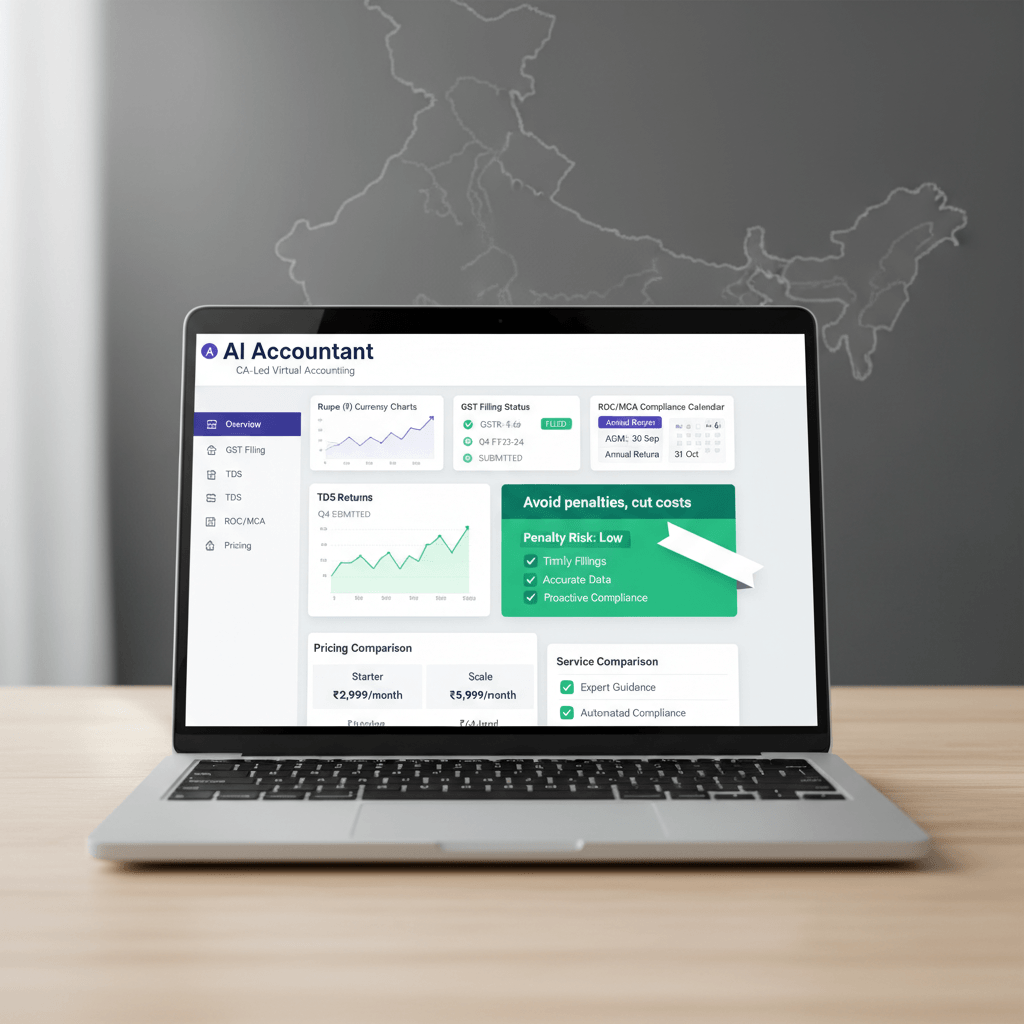
AI Accountant: Offers comprehensive automation, intelligent transaction categorization and advanced analytics.
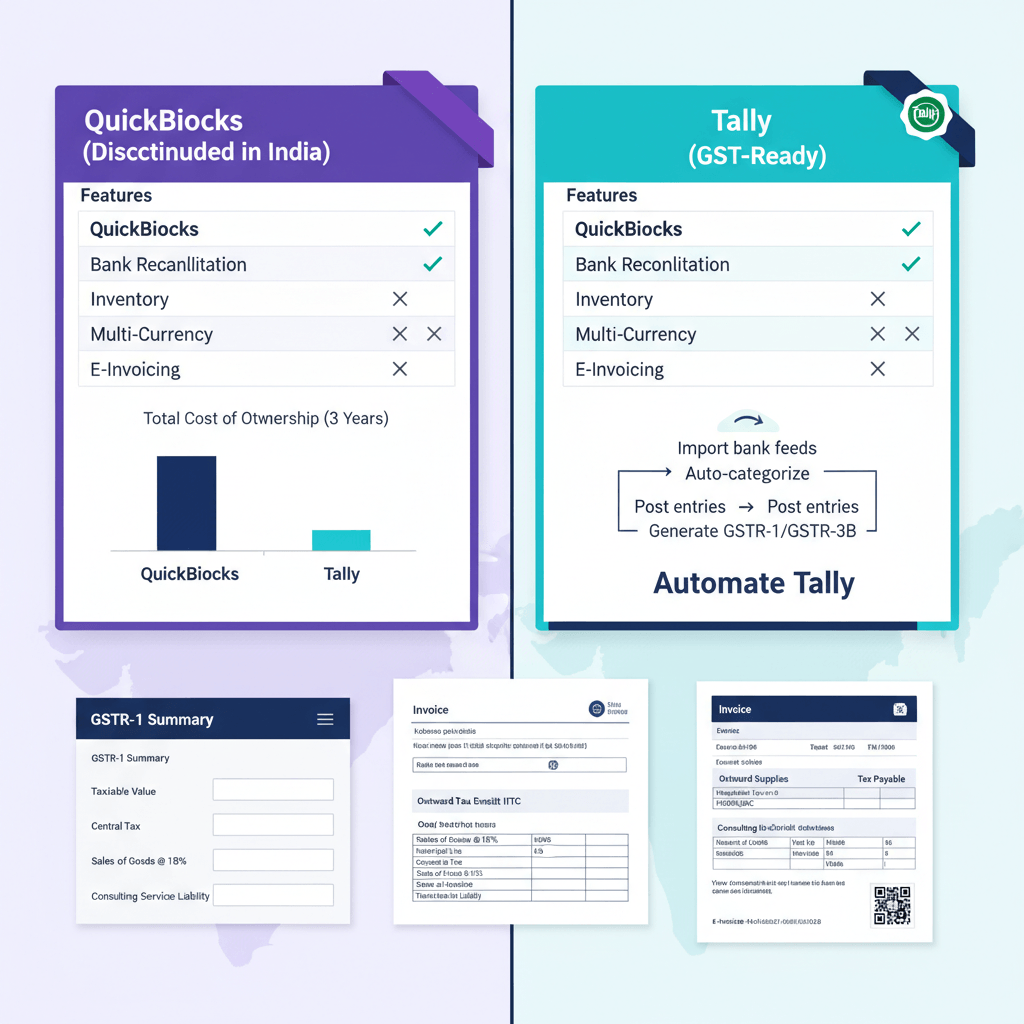
QuickBooks AI: Provides smart categorization and receipt capture, ideal for small businesses.
Xero Intelligence: Excels in real-time insights and automated bank reconciliation.
Sage AI: Delivers industry-specific solutions with robust compliance and fraud detection.
Wave AI: A free platform perfect for freelancers and very small businesses, offering essential automation features.
Each tool has its merits, yet AI Accountant consistently stands out for its balance of comprehensive features and ease of integration.
Implementation Strategy for AI Accounting Adoption
Planning Your Transition Process
Successful implementation begins with a detailed review of current processes and an assessment of pain points.
A comprehensive plan including data migration strategies helps ensure a smooth transition from legacy systems to automated solutions.
Staff Training and Change Management
Training programs are essential to help staff adapt to AI accounting tools. Emphasizing that automation supports their expertise alleviates concerns,
encouraging more effective integration of systems like AI Accountant into daily workflows.
Measuring Success and ROI
Establish key performance indicators such as time savings, error reduction, and cost efficiencies to monitor the success of AI adoption.
Regular reviews ensure the system is optimized and continues to deliver the expected benefits over time.
The Future of Financial Management
The transformative potential of AI in accounting is undeniable. As traditional methods give way to highly automated systems, financial management becomes
strategic, data-driven and dynamic. The pace of technological evolution means that early adopters can seize a significant competitive advantage.
In 2025 and beyond, businesses that harness the power of AI will enjoy deeper insights, stronger financial control and the flexibility to innovate,
ensuring they remain at the forefront of their industries.
The future is here and it is powered by artificial intelligence. It is time to embrace the changes and prepare for a revolution in financial management.
For further reading on this revolution, view how CA firms can thrive in the AI era.
FAQ
How does AI Accountant help reduce ledger errors?
AI Accountant uses intelligent validation and continuous learning algorithms to detect anomalies in ledger entries. By automating data entry and cross-checking transaction data,
it minimizes human error while allowing accountants to focus on strategic decisions.
Can AI Accountant automate invoice processing?
Yes, AI Accountant automates invoice processing by capturing data via OCR, categorizing transactions automatically and cross-referencing purchase orders, thereby reducing manual workload significantly.
What improvements in accuracy can be expected with AI-powered systems?
AI-powered systems incorporate real-time validation and intelligent error detection. This leads to enhanced accuracy in financial reporting and minimizes costly manual mistakes.
How does AI-driven fraud detection work in accounting?
The AI Accountant tool monitors transactions continuously, using pattern recognition and historical data analysis to spot irregularities that may indicate fraudulent activity. This proactive measure offers 24/7 security.
Is AI Accountant suitable for small businesses with limited resources?
Absolutely. AI Accountant offers scalable solutions that allow small businesses to access enterprise-level accounting capabilities without the need for large staff expansions.
How does AI automation improve regulatory compliance?
AI systems automatically update and enforce compliance protocols across all transactions. With detailed audit trails and automatic rule enforcement, the AI Accountant tool simplifies adherence to current regulations.
What role does machine learning play in enhancing accuracy?
Machine learning allows AI Accountant to continuously learn from new data, refining transaction categorization and error detection over time. This iterative improvement leads to increasingly accurate financial reporting.
Can AI Accountant integrate with existing financial systems?
Yes, one of the major advantages of AI Accountant is its seamless integration with existing business systems, enabling smooth data migration and continuous operation during the transition.
Does AI Accountant offer real-time financial insights?
AI Accountant provides real-time reporting and predictive analytics, enabling businesses to access up-to-date financial data and adjust strategies quickly in response to market changes.
How should businesses prepare for adopting AI accounting solutions?
Preparation involves a thorough review of current financial processes, planning for a smooth data migration and extensive staff training. Tools like AI Accountant support change management by highlighting the benefits of automation for higher-value work.

Rohan Sinha is a fintech and growth leader building aiaccountant.com, focused on simplifying accounting and compliance for Indian businesses through automation. An IIT BHU alumnus, he brings hands-on experience across 0 to 1 product building, growth, and strategy in B2B SaaS and fintech.