-01%201.svg)

Key takeaways
- Build a clear lifecycle for reconciliation exceptions, from detection to resolution, supported by ownership, SLAs, and audit trails.
- Prioritize India specific pain points, UPI and UTR mismatches, payment gateway settlement timing, and GSTR-2B variances.
- Create a single source of truth for unmatched items, with views by entity, ledger, counterparty, bank, and aging buckets.
- Automate exception workflows to reduce manual effort, improve SLA adherence, and prevent missed follow ups.
- Use aging exception reports as an early warning system, then govern weekly with measurable KPIs.
- Document root causes and resolution actions thoroughly, maintain maker checker approvals, and preserve immutable audit logs.
- Adopt tools that understand Indian formats, GST requirements, and Tally or Zoho integrations, consider AI assisted platforms.
- Start with a pilot, calibrate rules and SLAs, then scale with dashboards, governance, and continuous improvement.
What is Reconciliation Exception Management India
Reconciliation exception management India is the disciplined process of identifying, tracking, and resolving transactions that fail to match across systems, for example bank statement versus ledger, GST filings versus registers, payment gateway payouts versus order records. It combines rules, automation, collaboration, and audit controls that suit India specific realities like Tally and Zoho ledgers, UPI and NEFT payment flows, and GST return cycles.
It is not only about spotting mismatches, it is about creating a repeatable system that catches them early, assigns ownership, drives timely resolution, and leaves a complete audit trail.
For a deeper perspective, see reconciliation solution, simplifying exception management and automated statement reconciliation India.
India Specific Reconciliation Exceptions That Keep You Up at Night
These exceptions reflect uniquely Indian operating conditions, not just textbook mismatches. For context on patterns and fixes, see when reconciliation breaks, mastering exception management.
Bank to Books Mismatches
UPI, IMPS, and NEFT entries often carry inconsistent narrations and UTR formats, duplicates slip in, and unannounced bank charges or overseas fees appear. Standardize references, deduplicate UTRs, and auto classify bank fees for review.
Payment Gateway Nightmares
Razorpay, Paytm, or PayU settlements arrive with T plus one or T plus two timing, refunds and chargebacks lag, and cash on delivery creates a tracking maze. See this payment reconciliation platform India 2025 guide for practical guardrails.
GST Reconciliation Chaos
Your GSTR 2B reconciliation tools guide should be close at hand, since late vendor filings, HSN misclassification, and rate mismatches can derail input tax credit, increase risk, and extend month close.
Accounts Payable and Receivable Puzzles
Partial payments, missing credit notes, rounding on TDS, and short pays demand careful allocation and notes, with clear re open handling when counterparties respond.
Payroll and Loan Complications
EMI splits may not mirror bank debits in timing, PF and ESI challans can cause temporary breaks, and salary advances need structured recoveries.
Multi Entity Complexity
Intercompany charges and consolidations amplify exception volume across entities, so entity filters and consistent reference standards are vital.
The Core Lifecycle, From Detection to Resolution
Design a flow that every exception follows, then automate and govern it. For a structured view, see reconciliation solution, simplifying exception management and automated statement reconciliation India.
Intake, Gathering Your Data
Aggregate statements and ledgers into one comparison plane, ingest PDFs or CSVs from banks, export ledgers from Tally or Zoho, pull GSTR 2B from the portal.
Detection, Finding the Mismatches
Apply rules or machine learning to surface missing counterparts, wrong amounts, or date windows, then flag probable matches for human review.
Triage, Categorizing by Priority
Classify by root cause and risk, elevate GST items to meet filing deadlines, and fast track high value exceptions.
Assignment, Getting the Right Owner
Auto assign based on exception type, entity, and value, with target dates and SLA clocks started.
Collaboration, Working Together
Capture comments, attach evidence, and loop in vendors or customers when confirmation is required.
Resolution, Closing the Loop
Post adjustments, correct in source systems, and mark resolved with references to journal entries and support.
Audit Trail, Maintaining Records
Preserve an immutable log of every action, see AI assisted audit trail, immutable logs for approaches that satisfy internal and statutory audits.
Unmatched Items Tracking, The Foundation
Unmatched items tracking is the living register of what remains unresolved, it drives focus and accountability.
What to Track
- Source, amount, date, and counterparty
- UTR or invoice references, narration, suspected cause
- Owner, status, next action, and due date
Creating Multiple Views
- By entity for multi company oversight
- By ledger to find patterns, for example bank charges, FX, suspense
- By bank and by counterparty to target conversations
- By aging to drive weekly priorities
Error Proofing Your Tracking
- Deduplicate UTRs and normalize narrations
- Suggest probable matches for review
- Alert on high value items and approaching compliance dates
For a practical orientation, review automated statement reconciliation India and when reconciliation breaks, mastering exception management.
Exception Workflow Automation, Working Smarter
Let rules handle repetitive steps, so your team handles judgment.
Defining Smart Rules
- Create exceptions automatically on mismatch, then route by category
- Auto assign based on type, entity, and risk value
- Escalate when SLAs pass, notify stakeholders immediately
Real World Automation Examples
- Tag bank charges to treasury for quick confirmation
- Send GSTR 2B mismatches to accounts payable lead
- Match payout references from gateways without manual effort
- Flag foreign currency items for rate verification
Integration Points
- Email alerts for high value exceptions
- Chat notifications for SLA breaches
- Recurring checks for unresolved queues, plus month close tasks
The Power of Automated Workflows
Automation shifts effort from chasing updates to resolving root causes, it reduces time to resolution, improves compliance, and makes work predictable.
Background reading, reconciliation solution, simplifying exception management and automated statement reconciliation India.
Aging Exception Reports, Your Early Warning System
Time Bucket Categories
Use buckets like 0 to 3 days, 4 to 7, 8 to 15, 16 to 30, more than 30, and more than 60 for escalations to senior management.
Key Performance Indicators
- Open exception count and value by bucket
- Median time to resolve by type
- GST input tax credit at risk, and potential write offs
- Weekly resolution rate and re open rate
Governance Through Aging Reports
Review weekly, focus on movements between buckets, unblock bottlenecks, and publish targets to build accountability. See automated statement reconciliation India for practical cadences.
Resolution Tracking System, Closing the Right Way
Documenting Root Causes
Classify timing differences, entry errors, system gaps, or process defects, then link preventive actions.
Resolution Types and Actions
Record adjustment entries, reversals, vendor follow ups, or write offs, and link to Tally or Zoho references.
Supporting Evidence
Attach bank confirmations, vendor mails, and approved adjustment notes, plus GST reconciliation extracts.
Control Framework
Use maker checker approvals for sensitive actions, threshold based write off approvals, immutable audit logs, and exportable packs for audits.
Exception Management Metrics and SLAs, Measuring What Matters
Core Metrics to Track
- Daily exception creation rate
- Median time to resolution by type
- Percent resolved within SLA, long tail beyond thirty days
- GST credit at risk and re open rate
Setting Realistic SLAs
- Bank charges within three days
- GST mismatches before filing cutoffs
- High value items same day
- Gateway exceptions within five days
- Payroll mismatches before next pay run
Dashboard Views for Different Audiences
- Partners and CFOs, executive summary and risk
- Team leads, queues, SLA performance, and blockers
- Accountants, personal workload and priorities
Stage Specific Targets
Early stage firms may operate at five day averages, scaled teams should aim for two day resolution, adjust for complexity and automation maturity. See when reconciliation breaks, mastering exception management for benchmarks.
Process Templates and SOPs, Building Your Playbook
Exception Register Template
- ID, creation date, owner, and contact
- Root cause, status, next action, due date
- Linked journal entry, comments, attachments
Triage Decision Tree
Route bank to treasury, GST to compliance, payment gateways to e commerce accounting, AP or AR by counterparty and aging.
Escalation Matrix
- Days 1 to 3, owner resolves
- Days 4 to 7, team lead engaged
- Days 8 to 15, manager involved
- Beyond 15, partner or CFO
- Critical compliance items, immediate escalation
Month Close Checklist
- Review all open exceptions
- Approve pending adjustments
- Clear high value aged items
- Validate GST reconciliations
- Sign off exception reports and archive
Tooling Landscape, From Spreadsheets to Automation
The Current Reality
Excel with Tally or Zoho is common, familiar, and flexible, yet manual and error prone, with limited auditability and collaboration.
What Good Looks Like
- Bank OCR for Indian formats
- GSTN friendly syncs and checks
- UTR duplicate detection and bulk actions
- APIs with accounting systems and audit exports
- Role based access and maker checker controls
Essential Tool Capabilities
Unmatched items tracking
- Multi source ingestion and intelligent matching
- Custom rules and real time detection
Exception workflow automation
- Rule based assignment, SLA alerts, and escalations
- Communication tool integrations
Aging exception reports
- Custom buckets, drill downs, trends, and exports
Resolution tracking
- Complete audits, attachments, approvals, and source system links
Recommended Tools for Indian Businesses
- AI Accountant, purpose built for Indian SMBs and CA firms, with Indian bank OCR, Tally and Zoho integrations, and GST aware exception handling
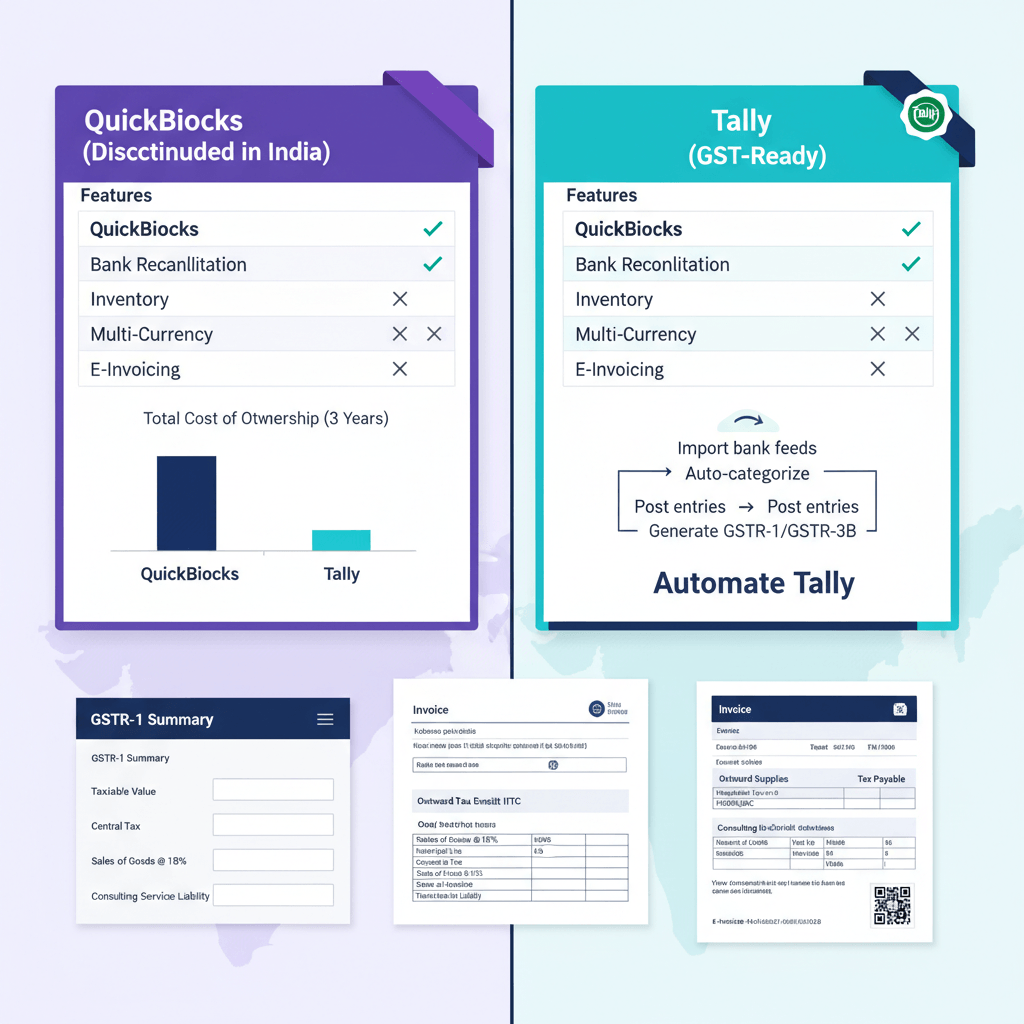
- QuickBooks Online, suitable for basics, limited GST matching
- Xero, strong reconciliation, limited Indian bank support
- Zoho Books, native Indian platform, manual exceptions
- FreshBooks, user friendly, limited automation depth
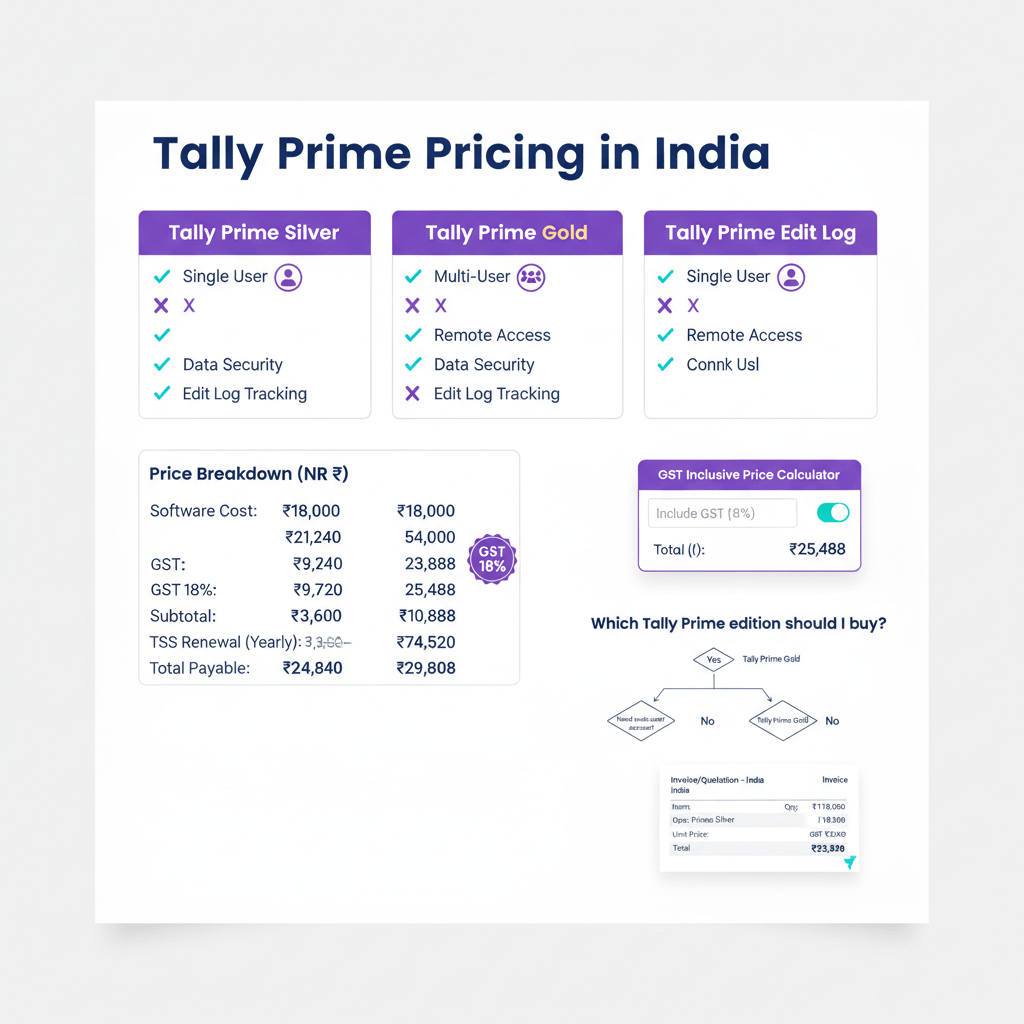
- TallyPrime, compliance mainstay, manual exception flows
Explore capability checklists in automated statement reconciliation India.
How AI Accountant Transforms Exception Management for Indian Businesses
Data Intake Designed for India
Accept PDFs, CSVs, and scans, with OCR trained on HDFC, ICICI, SBI, and more, decoding narrations and references correctly.
Intelligent Exception Detection
Map transactions to ledgers, GST codes, and counterparties, flag anomalies by pattern, and learn from user corrections over time.
Exception Assistant That Understands Context
Understands normal T plus two settlement for gateways, recognizes TDS logic, and highlights GST sensitive items for fast action.
Workflow Automation Built for Scale
Auto create and assign exceptions, escalate by value or aging, and minimize administrative work so teams focus on resolution.
Comprehensive Aging Reports
Bucket by time, flag high value items, quantify GST risk, and track team SLAs, with export ready views for management.
Complete Resolution Tracking
Comments, documents, linked entries, and push backs to Tally or Zoho, fully logged for compliance.
Enterprise Grade Security and Compliance
ISO 27001 and SOC2 Type 2, more than 180 customers, hundreds of millions of transactions processed securely.
Integration Ecosystem
Two way sync with Tally and Zoho Books, roadmap for GSTN matching and Account Aggregator feeds to reduce manual uploads. Read more in automated statement reconciliation India.
Step by Step Implementation Guide
Step 1, Connect Your Systems
Link Tally or Zoho via secure APIs, test with sample transactions, and validate bank OCR accuracy on your statements.
Step 2, Define Your Exception Framework
Create categories for bank, GST, gateway, AP, and AR, set SLAs, and configure auto assignment rules aligned to team structure.
Step 3, Configure Aging and Dashboards
Choose bucket thresholds, build role specific dashboards, set alert thresholds, and schedule automated reports.
Step 4, Run a Pilot Program
Select one entity or account, process a month, measure baseline metrics, collect feedback, and refine rules.
Step 5, Full Rollout and Optimization
Roll out across entities, run weekly reviews, tune rules continuously, and evolve SLAs as automation matures.
Real World Success Story, A CA Firm’s Transformation
A Mumbai CA firm with fifty clients struggled with seven day month closes, large backlogs over thirty days, and GST filing risks. After introducing structured exception management with automation, statements were ingested and auto matched, exceptions were routed immediately, and aging reports drove action. Results, two days faster month close, sixty percent reduction in items beyond thirty days, and better GST readiness, enabling thirty percent more client capacity without additional headcount. See automated statement reconciliation India for playbook details.
Risks, Controls, and Compliance Considerations
GST Audit Preparedness
Retain traceable evidence for ITC, explain mismatches and fixes, and demonstrate control adherence throughout.
Internal Controls Framework
Use maker checker approvals, thresholds for write offs, segregation of duties, and well documented authorization matrices.
Data Security and Access Management
Apply role based access, least privilege, encryption at rest and in transit, periodic access reviews, and log monitoring.
Regulatory Compliance
Maintain audit trails for statutory periods, respect data residency, ensure backup and recovery, and keep policies current with periodic assessments.
Taking the Next Step
Start small, pick the noisiest area, bank, GST, or gateways, implement the lifecycle, measure, and iterate. A guided demo with your own statements can demonstrate how automated detection and exception routing change the game.
The goal is steady improvement, not instant perfection. Each faster resolution, each cleared aging item, and each clean audit raises confidence and capacity. Whether you are a CA firm aiming to scale, or a CFO seeking control, structured reconciliation exception management is your path forward.
FAQ
How should a CA structure reconciliation exception management for a multi entity client that runs Tally and Zoho Books in parallel
Establish a single exception register across entities, normalize references like UTR and invoice numbers, and create entity filters. Define routing rules by entity and process area, for example bank to treasury, GST to compliance. Use an AI first tool such as AI Accountant for two way sync with both Tally and Zoho, common aging buckets, and consolidated dashboards.
What is the most reliable way to reconcile GSTR 2B variances before 3B filing without risking ITC
Download 2B as soon as available, run a line by line match to the purchase register, and bucket exceptions as timing, rate, HSN, or vendor filing delay. Set SLA to complete within five days of 2B availability, then lock ITC claims. Tools like AI Accountant can auto classify 2B variance types and flag high risk credits.
How do I design SLAs for payment gateway reconciliation when settlements are T plus two
Anchor SLAs to settlement cycles, for example detection same day of order capture, initial match by T plus one, final settlement match by T plus two end of day. Auto escalate older than five days. Use reference matching in AI Accountant to link payouts and chargebacks automatically.
What evidence does an auditor typically expect for resolved bank to book exceptions in India
Expect bank statement excerpts, ledger entries, UTR proof, email confirmations where counterparties are involved, and approved adjustment notes. Maintain an immutable log of who performed what, when, and why. AI Accountant provides audit ready trails and export packs.
How can I reduce re open rates on resolved exceptions for a manufacturing client with frequent debit notes
Document root causes thoroughly, link resolutions to exact journal entries, and add checklists for recurring exception types like debit notes. Monitor re open rate weekly, and refine matching rules. In AI Accountant, use templates and rule tuning to reduce repeat mismatches.
What metrics should a CFO in India review weekly to govern reconciliation exceptions
Review open count and value by aging bucket, percent within SLA, median time to resolution by type, GST ITC at risk, and items beyond thirty days. A CFO dashboard in AI Accountant can show trends and drill downs quickly.
How do I handle UTR duplication across multiple banks when narrations are inconsistent
Create a UTR normalization map, strip spaces and case variations, and deduplicate at intake. Augment with amount and date windows to catch near matches. Tools like AI Accountant apply fuzzy rules and present probable matches for human confirmation.
What is a practical escalation matrix for GST sensitive exceptions during month close
Days 1 to 2 owner, Days 3 to 5 team lead, Days 6 to 7 manager, immediately to partner or CFO if within five days of filing. Auto notify on SLA breach and tag compliance leaders. In AI Accountant, set value and time based escalations.
Can I run a pilot across one bank account and still get meaningful metrics for scale up
Yes, pick a representative account with varied transactions, process one month, and capture baseline metrics, creation rate, median resolution time, percent within SLA, and re open rate. Use the learnings to tune rules, then expand. Pilot templates are available in AI Accountant.
How should a CA firm document write offs arising from long aged exceptions to satisfy statutory audit
Require maker checker approval, attach rationale and supporting evidence, map to policy thresholds, and link to journal entry references. Produce an audit pack listing all write offs with documentation. AI Accountant can generate this pack automatically.
Is it realistic to achieve two day median resolution for exceptions across a fifty client portfolio
Yes, once unmatched tracking, automation, and aging governance are in place. Focus on rule coverage, correct routing, and weekly leadership reviews. Firms using AI Accountant often move from five day baselines to two day medians over a few cycles.
How do I quantify GST credit at risk from exceptions and present it to management
Tag exceptions that block ITC, sum value by aging bucket, and compare against filing timelines. Present a weekly heat map and call out vendors driving the highest exposure. Dashboards in AI Accountant can calculate and display ITC at risk automatically.

Rohan Sinha is a fintech and growth leader building aiaccountant.com, focused on simplifying accounting and compliance for Indian businesses through automation. An IIT BHU alumnus, he brings hands-on experience across 0 to 1 product building, growth, and strategy in B2B SaaS and fintech.