-01%201.svg)

Key takeaways
- A secure document collection portal centralizes all audit requests, submissions, and approvals in one encrypted environment, replacing scattered emails and version mix-ups with a single source of truth.
- Automated checklists, progressive reminders, and timestamped audit trails eliminate manual follow-ups and cut document collection time by 40% or more for most CA firms.
- End-to-end AES encryption, ISO 27001, and SOC 2 Type II certifications protect sensitive financial data at rest and in transit, meeting India's evolving compliance standards.
- Role-based access, two-factor authentication, and virus scanning ensure only authorized users touch client documents, reducing breach risk significantly.
- When uploaded documents still need to flow into Tally for reconciliation and bookkeeping, AI Accountant's bookkeeping automation picks up where the portal leaves off, matching transactions and flagging gaps automatically.
- Start with a pilot group of cooperative clients, refine your templates, then scale firm-wide before the next audit season to lock in time savings and stronger client relationships.
Secure Document Portals for Audits: What's New in 2026
Until mid-2025, most CA firms treated document portals as a "nice to have." That changed fast. Two regulatory shifts made secure, auditable document collection almost non-negotiable for Indian accounting practices.
First, the GST portal now flags mismatches more aggressively during return filing. From April 2025, the e-invoicing threshold dropped to ₹5 crore, pulling a much larger pool of SMEs into mandatory e-invoicing. This means more documents, more reconciliation, and more audit evidence flowing between clients and CAs every quarter. Firms still collecting invoices over WhatsApp or email are seeing ITC reversals and delayed filings simply because documents arrive late, incomplete, or in the wrong format.
Second, ICAI's updated guidance on audit documentation now expects firms to demonstrate secure, traceable document exchange. A folder of email attachments no longer satisfies peer reviewers. Portals with timestamped logs and encrypted storage are becoming the baseline expectation, not a premium feature.
The operational shift is real. Firms above 50 active clients are reporting that manual document chasing consumes 15 to 20 hours per engagement during peak season. With automated portals, that drops to 3 to 5 hours. The cost of inaction isn't just wasted time. It's penalty interest on late GST filings (18% per annum under Section 50), blocked ITC claims, and compliance flags during peer reviews.
What to do now:
- Audit your current document collection workflow before July 2026. Identify where files get stuck or lost.
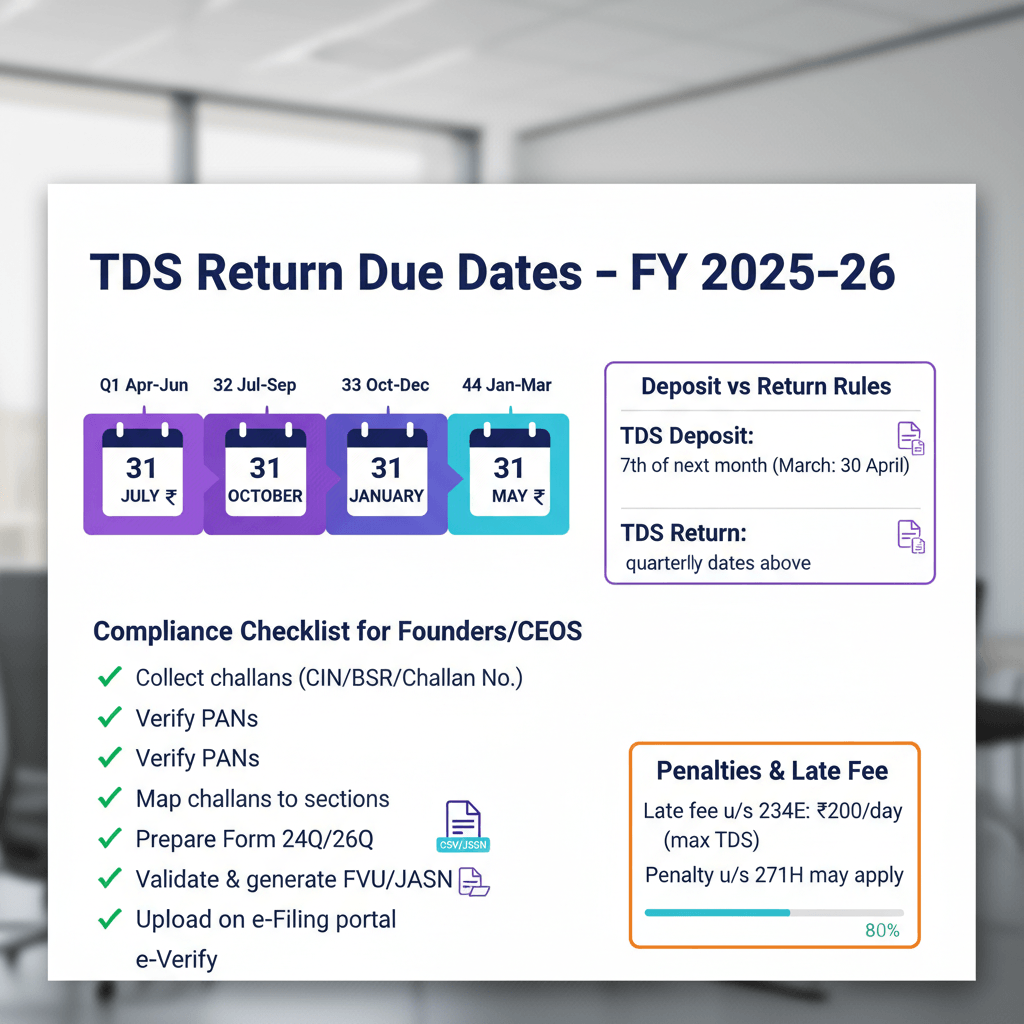
- Set up portal templates for GST returns, bank statements, and TDS certificates, the three document types that cause the most delays.
- If your team already uses Tally, explore how automated GST reconciliation can validate uploaded documents against GSTR-2B data before you even start the audit.
Why Traditional Document Collection Methods Create Chaos
Audit season often means a tsunami of emails, scattered attachments, and endless follow-ups. Version mix-ups like Final_Revised_ACTUAL_Final.xlsx vs. Sorry_Use_This_One_Instead.xlsx become daily headaches.
Email isn't built for secure financial exchanges. Sensitive data sits in inboxes without encryption, leaving compliance at risk. And with no central repository, files get lost, naming stays inconsistent, and audit trails are nonexistent.
"You send a client 15 required documents, they reply with eight attachments, then three more in a follow-up, and promise the rest tomorrow."
This chaos jeopardizes deadlines and compliance standards. Manual document collection for audits remains one of the biggest time drains for CA firms, often consuming more hours than the actual audit analysis itself.
What Makes a Document Collection Portal Truly Secure
A secure portal is a cloud-based platform tailored for sensitive financial workflows. It acts as an encrypted document exchange for accountants and their clients, offering:
- Single source of truth for all documents and requests.
- Automated reminders and progress checklists.
- Timestamped audit trails for compliance reviews.
- Encrypted storage and transfer with industry-standard protocols.
- Role-based access controls and two-factor authentication.
All exchanges stay within the portal, keeping your email clean and your client data protected.
Essential Automated Features That Save Time and Reduce Errors
Modern portals go beyond simple file uploads. They bring automation into every step of the audit document workflow:
- Custom checklists for different audit types (statutory, tax, internal).
- Progressive reminders that escalate as deadlines approach, so you never send another "gentle follow-up" email.
- End-to-end encryption for data at rest and in transit, meeting AES-256 standards.
- Status tracking with dashboard visibility for every engagement.
- Audit logs capturing every action with timestamps, satisfying compliance and peer review requirements.
- Role controls to limit access to authorized team members only.
- Anti-virus scanning to prevent malicious uploads from reaching your systems.
These features work together to create an automated audit document collection system that catches errors before they become problems.
Transforming Audit Season Workflows Through Secure Portals
With portal templates, assign clear ownership and deadlines for every document request. Automated reminders replace awkward follow-ups, while clients see specific due dates for each item.
Progress indicators show exactly what's pending, received, or under review. Searchable audit trails make compliance smooth and transparent. No more digging through email threads to prove when a document was received or who approved it.
For firms managing 20 or more clients during audit season, this workflow shift can free up entire staff-days each week.
Step by Step: How Portal Automation Works in Practice
- Create a document request template for items like bank statements, GST returns, invoices, and TDS certificates.
- The portal emails clients personalized checklists with secure login instructions.
- Clients upload documents. The portal verifies format, file type, and completeness automatically.
- Encrypted storage allows only authorized team members to review.
- A unified dashboard displays request status: requested, received, under review, approved.
The entire process creates a tamper-proof audit trail. Every upload, download, and approval is logged with timestamps. This is especially useful during ICAI peer review assessments where documentation standards are scrutinized.
Why Encryption Standards Matter for Financial Document Security
Top portals use AES-256 encryption both at rest and in transit. This is the same standard used by banks and government agencies for protecting sensitive data.
Compliance certifications like ISO 27001 and SOC 2 Type II demonstrate that a portal provider follows rigorous data handling, access control, and incident response protocols. These aren't just badges. They mean regular third-party audits of the provider's own security practices.
Before choosing a portal, verify encryption protocols, audit log features, and data residency policies. For Indian firms, data residency within India or certified cross-border transfer mechanisms are increasingly important, especially under the Digital Personal Data Protection Act framework.
Learn about SOC 2 Type II certification and what it means for your firm's data security.
Immediate Benefits That Transform Daily Operations
- Reduced time chasing documents, letting accountants focus on analysis and advisory work.
- Clean audit trails for seamless compliance reviews and peer assessments.
- Improved client experience with clear requirements and fewer reminders.
- Automatic version control and format enforcement. No more wrong file formats or duplicate uploads.
- Professional image that supports premium pricing and client retention.
Firms that switch from email-based collection to portal-based workflows typically report 30% to 50% faster document turnaround during audit season.
Modern Portal Features That Enhance User Experience
Leading portals offer:
- Empathetic UI with progress indicators, so clients know exactly what they've submitted and what's still pending.
- Accounting integrations (Tally, Zoho Books) to auto-pull invoices and ledger entries.
- AI completeness checks via tools like AI Accountant that scan for missing fields, unreadable scans, and format errors.
- Mobile responsiveness for on-the-go uploads from clients who work from their phones.
- Customizable branding for a seamless client experience that looks like your firm, not a third-party tool.
Popular Document Collection Portal Solutions
- AI Accountant (aiaccountant.com) for Indian workflows with GST and Tally integration, plus automated completeness checks.
- ShareFile by Citrix for enterprise-grade security and large file handling.
- SmartVault with tax-focused organizers and QuickBooks integration.
- FileInvite for customizable request workflows and automated follow-ups.
- SecureFilePro offering bank-level encryption and compliance-ready audit trails.
Measuring Success: Key Metrics for Portal Implementation
Track metrics like:
- Hours saved on document collection per engagement.
- Client response times and first-time completion rates.
- Error rates (missing, incorrect, or duplicate documents).
- Client satisfaction scores post-implementation.
- Compliance audit results, specifically fewer documentation gaps and peer review findings.
A simple before-and-after comparison for one audit cycle usually makes the case clearly. Most firms see ROI within the first quarter of use.
Implementation Best Practices for Accounting Firms
- Start with a pilot program for 5 to 10 cooperative clients.
- Provide training focused on benefits, not just button clicks. Clients adopt faster when they understand the "why."
- Develop and refine templates before full rollout. Test with common document sets like bank statements, GST returns, and vendor invoices.
- Communicate changes well before audit season. Don't surprise clients with a new process during crunch time.
- Maintain contingency plans for technical issues, including a backup email protocol for urgent situations.
Integration Considerations for Indian Accounting Workflows
Key features for Indian firms:
- GST format and completeness checks, including GSTR-1 and GSTR-3B validation against uploaded invoices.
- Seamless Zoho Books to Tally migration guide.
- Bank statement processing with OCR tool guide for various Indian banks.
- Secure handling of TDS certificates with audit trails that satisfy both internal review and Income Tax Department scrutiny requirements.
- Multi-entity support for consolidated reporting across group companies.
Cost Benefit Analysis for Portal Investment
Consider:
- Time cost of manual follow-ups vs. portal automation. At ₹500 to ₹1,000 per hour of CA staff time, even 10 hours saved per client per season adds up fast.
- Premium pricing opportunities from professional, tech-forward service delivery.
- Risk reduction from data breaches and compliance violations. A single data breach can cost lakhs in penalties and client trust.
- Scalability as client base grows, without adding proportional headcount.
- Improved staff satisfaction from reduced busywork and fewer late-night document chases.
Future Proofing Your Document Collection Strategy
Digital-first processes are becoming mandatory, not optional. The ICAI, CBIC, and Income Tax Department are all moving toward electronic documentation and verification.
Early portal adoption positions firms for evolving compliance requirements, rising client expectations, and deeper technology integrations. Firms that invest now will find it much easier to adopt future automation layers like AI-powered transaction matching, automated reconciliation, and real-time dashboards.
Stand out with secure, organized, and modern audit workflows. Your competitors are already evaluating these tools.
Conclusion: Making Audit Season Manageable with Secure Document Portals
Implementing a secure document collection portal transforms audit season from a chaotic scramble into a streamlined, professional process. Clients appreciate the clarity and security. Teams regain focus on high-value work. Compliance becomes stress-free with complete audit trails.
Start with a pilot, refine your templates, and scale to all engagements. Your firm will benefit from time savings, stronger client relationships, and a competitive edge that grows with every audit cycle.
FAQ
How does an AI Accountant portal reduce document collection time?
AI Accountant automates request templates, sends progressive reminders, and validates uploads for completeness and format. This eliminates manual follow-ups, typically cutting document collection time by 40% or more, so CAs can focus on analysis rather than chasing files.
What security measures should chartered accountants look for in a document portal?
Look for end-to-end AES-256 encryption, compliance certifications (ISO 27001, SOC 2 Type II), role-based access, two-factor authentication, and integrated anti-virus scanning. For Indian firms, also verify data residency policies under the Digital Personal Data Protection Act framework. (2026 update)
Can a portal integrate with Tally and other accounting software?
Yes, top portals offer seamless integrations with Tally and other popular accounting tools. AI Accountant syncs with Tally to auto-pull invoices, bank statements, and ledger entries, minimizing manual data transfer and reducing entry errors.
How do audit trails work in a secure document portal?
Every action, from request sent to document uploaded to review completed, is timestamped and logged automatically. These searchable audit trails satisfy compliance reviews, ICAI peer assessments, and provide a clear record for auditors without any manual record-keeping.
What AI features help ensure document completeness?
AI Accountant uses machine learning to scan uploads for required fields, flag unreadable scans, and suggest missing items. This proactive validation catches errors at the point of upload, cutting down on back-and-forth corrections that typically add days to the audit timeline.
How do Indian accounting regulations affect portal requirements in 2026?
Indian firms now need GST format checks aligned with the lower e-invoicing threshold of ₹5 crore, PAN validation, TDS certificate handling with full audit trails, and data residency compliance under the DPDP Act. AI Accountant offers specialized modules for these India-specific requirements. (2026 update)
What backup plans should be in place for portal downtime?
Maintain an emergency email protocol or secure file-transfer method for urgent cases. Document contingency steps in your audit plan, including alternate contact methods and a prioritized list of critical documents, to ensure no delays during technical issues.

A results-driven finance and sales professional with hands-on experience through finance internships and a fast-paced sales role. With a strong interest in accounting and business finance, Harsh focuses on turning complex topics into clear, practical takeaways for founders and finance teams.